

The Crossover of Football, Fashion and Culture, and How adidas Is at the Centre of It.
From editorial kit launches to streetwear brands releasing their own jerseys, everyone is aware that fashion and football are co-existing in new ways. In the week where adidas launched their latest range of kits ahead of the 2026 World Cup, and as we move closer towards another summer of football shirts and jorts, we wanted to look deeper into that increasing crossover.
Since the early 2020’s, the iconic three stripes of adidas have been everywhere you look. The brand has become a staple of everyday streetwear, having experienced a huge resurgence in the popularity of its classic footwear models. First with the Samba, and then followed by the likes of the Gazelle and the Handball Spezial. A revival charged by the simple versatility of the shoes. Anybody could wear them with anything. Even today, they may not dominate conversation in the way they did a couple of years ago, but the shoes are still on everyone’s feet.
Following this success, adidas has aimed to relight the fire of another iconic shoe with the Superstar model. In February, they launched a campaign which Annie Barrett, Vice President of Marketing at Adidas Originals, said will “continue to show the relevance of [the] sneaker across music, fashion, sport, and art.” An aim which seems to be shared across the entire Originals range. The Spring/Summer Superstar campaign features stars like Olivia Dean, and at its centre is a film directed by Thibaut Grevet, starring Samuel L. Jackson. Proving the brand’s desire to operate across industries, while influencing and celebrating culture.
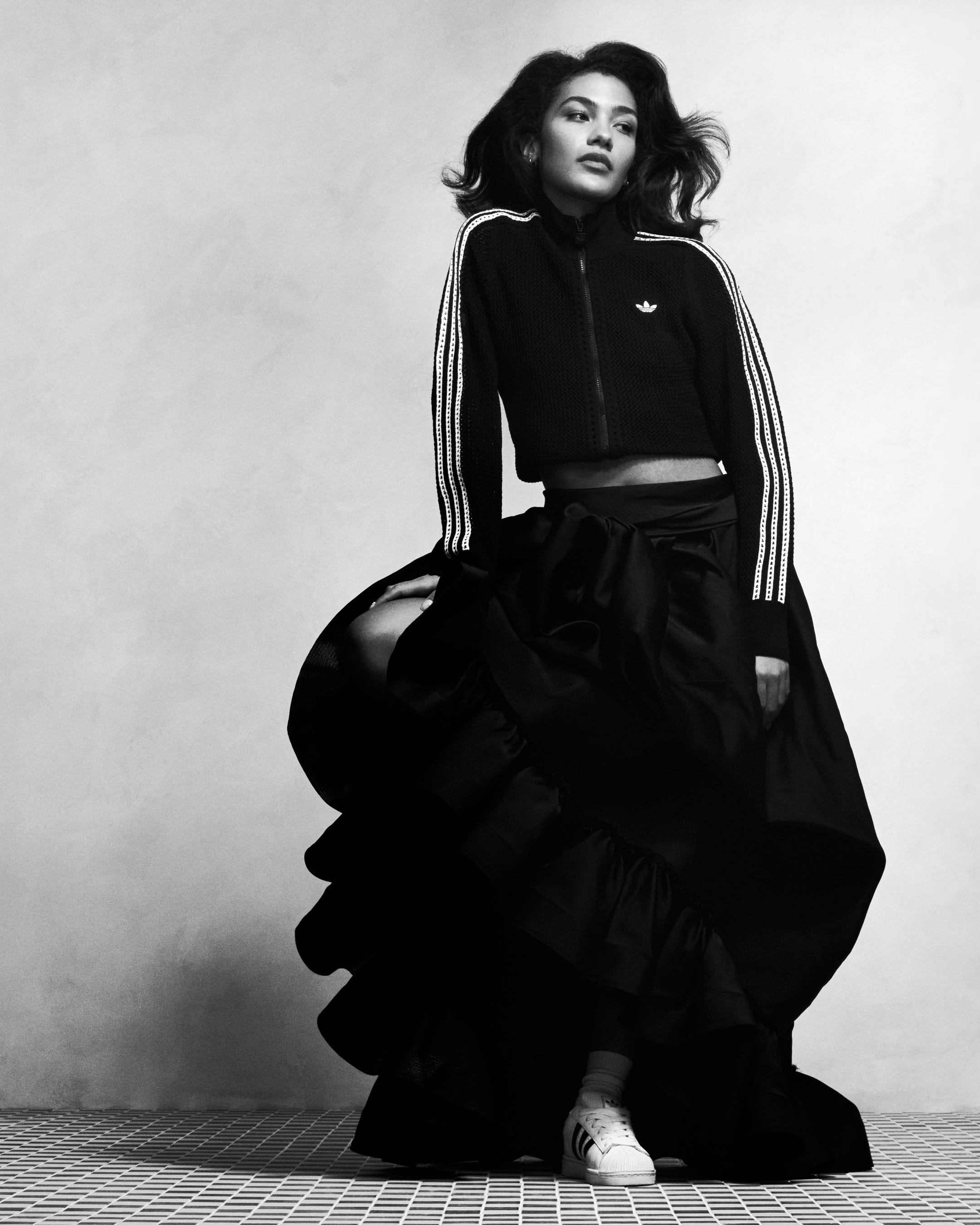
The Superstar was originally created for basketball, but many of the Adidas silhouettes have their roots in football culture, including the Samba, the Gazelle and the Spezial. Football has always influenced fashion, but in recent years, a direct correlation has surfaced.
Streetwear brands like PLACES + FACES, Drama Call, and Y3 are securing partnerships with some of Europe’s biggest clubs, Arsenal, Manchester United and Real Madrid. These collaborations have produced several groundbreaking campaigns and helped introduce audiences to a world where regular partnership between football and streetwear is possible.
To gain a deeper insight from within the industry, we wanted to speak to someone who is truly tapped into the topic of discussion, and who better than Jordan Clarke, CEO and Founder of Footballer Fits. Since the project started in 2020, Footballer Fits has become a driving force behind football and fashion culture, and is the leading platform advocating for athlete self-expression on and off the pitch.
Why do you think the cultural fusion of football and fashion works so well?
“I think football and fashion work so well together because football is a game of self-expression. When [people] are playing it, they want to have fun, they want to try things, they want to be creative. That then ties into how people dress, [and] the music people listen to, so the culture as a whole really connects with football in that way, I think. The coolest football players on the pitch are usually the coolest off it as well, so I think there’s that element of confidence that sort of aligns between the two.
Recently, where the clubs and leagues are getting involved in the fashion space, I think [because] the cooler they make their jerseys look and the cooler they make their leagues look, the higher revenue they’re bringing in. With the rise of social media, everyone wants to make content, everyone wants to look cool, [and] everyone wants to be the best dressed in their friend group.
“I think clubs are really tapping into culture now, because not everyone is a die-hard football fan, not everyone is a fan of their local club, so to appeal to more audiences by tapping into things like fashion and music works really well.”
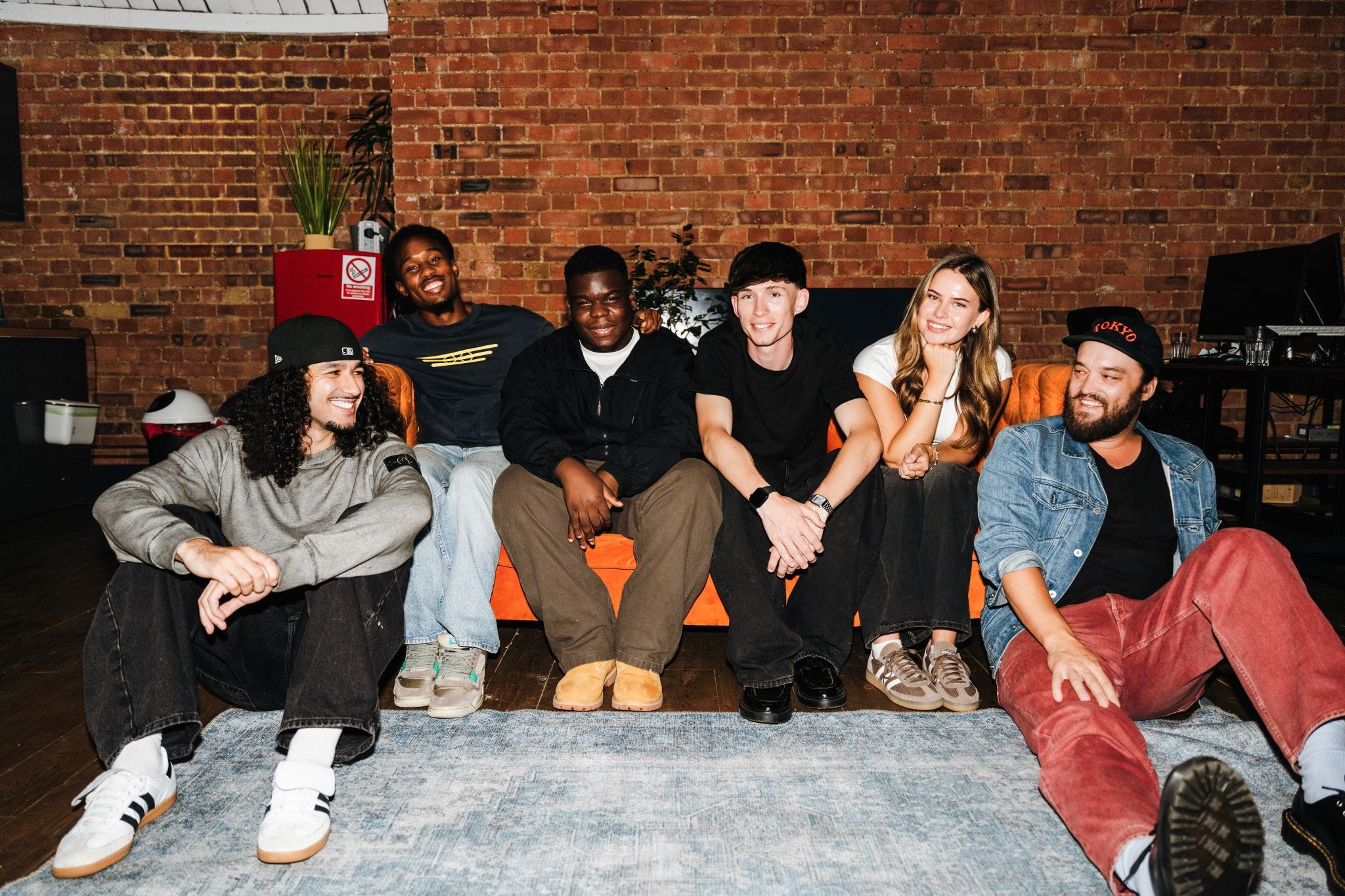
Naturally, as the most-watched sport on the planet, the game has long been a staple of pop culture and has always had its trailblazers. The likes of Beckham and Baggio spring to mind in eras gone by. However, through social media, it has never been easier for players to connect with fans and express their personality away from the field.
Footballers are more comfortable than ever in sharing their personal tastes online. Why do you think that is?
“There [are] more platforms, there [are] more people, more audiences demanding that sort of content now. So, with the rise of social media, brands covering athletes and what they wear, including ourselves as a shameless plug there, I think that [means] the players are more well-received when doing it compared to 5, 10 years ago, when players having interests outside of the game was a no-go, it was all-in on football, [bad] results meant players had to go quiet. I think now we’re evolving into that basketball, [more] American culture where athletes are supported for their personalities and self-expression off the pitch.
“There’s a real connection between young audiences and players through their personality, not just what they’re doing on the pitch.”
So with that growing demand…from young football fans to connect with their favourite athletes, I think a lot of people are now seeking that over the performances, over the highlights…because [fans] can feel a real connection to the players themselves when they dress like them, walk like them, talk like them, listen to the same music.
Obviously, not everyone can relate to being a professional footballer, so seeing the human element to the players through the rise of social media has been massive in that.”
adidas have always been a giant in both football and fashion, but recently it seems as if they’ve taken a lead over their competitors. What is it that they do so well?
“I think what adidas is doing best right now is humanising their athletes. The likes of Nike, etc. have stopped their football push in terms of signing athletes [compared to the] days when they had Neymar, Ronaldo, etc. all under one roof. Now, it’s very much brand-focused or product-focused. Whereas I think adidas is continuing to sign the coolest players in the game, telling their stories and also putting the players before the product. The interest is in the players, so the campaigns hit more, the retention rate is higher…and then in turn you actually end up promoting the product more. So, for me, I think it’s really key that adidas is promoting their athletes first and humanising them.”
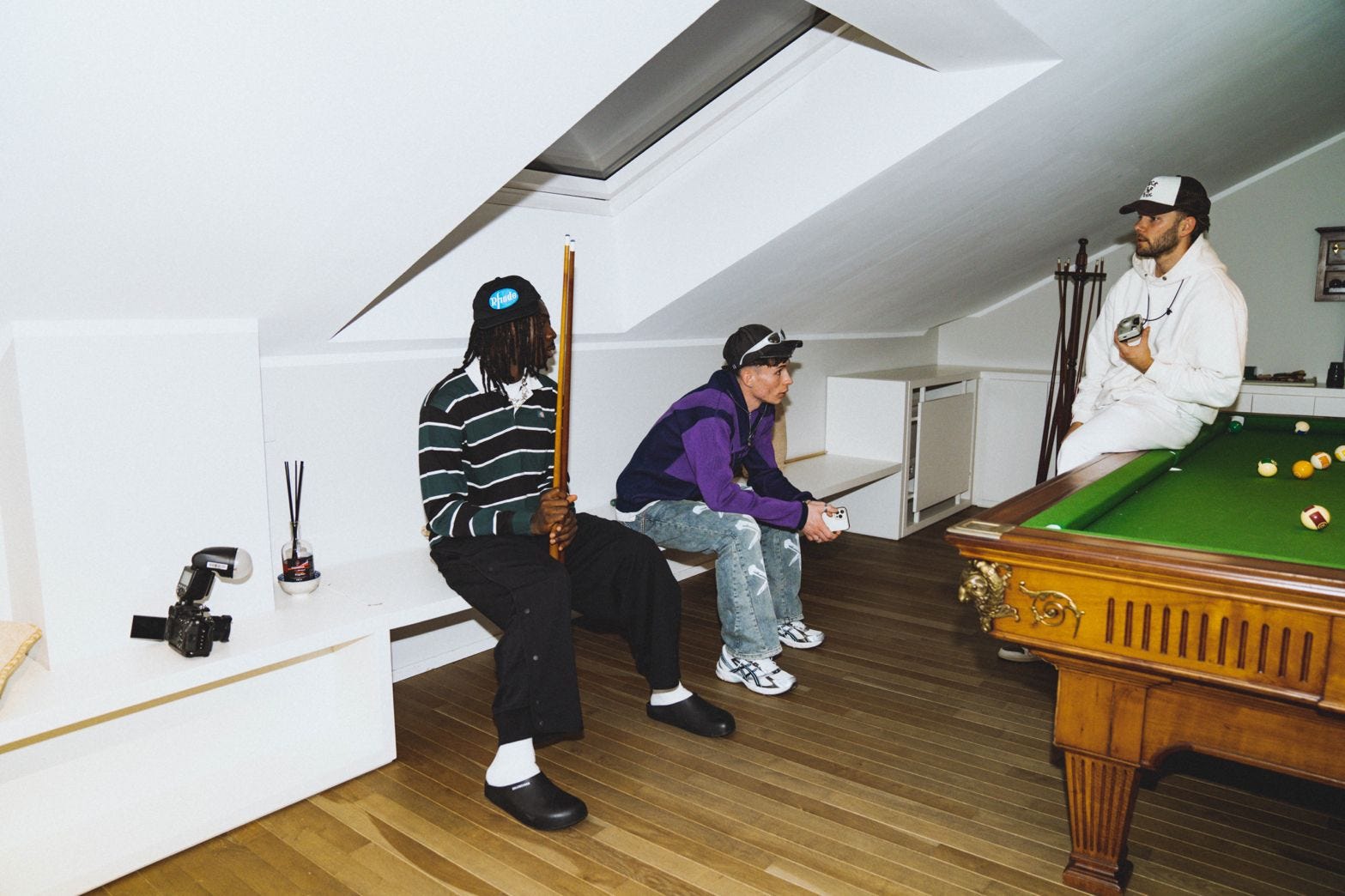
“I also think adidas is doing this across multiple sports, with Anthony Edwards, [which] is a huge one. The campaigns they are doing with him in basketball are just like football, really, really cool and again [it goes] back to that point of humanising the players so people can connect with them, and if you connect with the player then you connect with the product they’re wearing.”
On March 20th, adidas unveiled the official away kits for all 25 of their partner federations, including the 13 nations who qualified for the 2026 World Cup. The designs pay homage to each nation’s unique culture, with references to their architecture, landscapes and history, whilst simultaneously reinterpreting classic adidas aesthetics in a modern, contemporary style. In addition, the shirts feature the iconic adidas Originals trefoil logo for the first time in 36 years.


Japan’s away strip is brought to life through its compelling visual identity. The design features 12 distinct colours, combining to represent the collective bond of the nation, on and off the pitch.
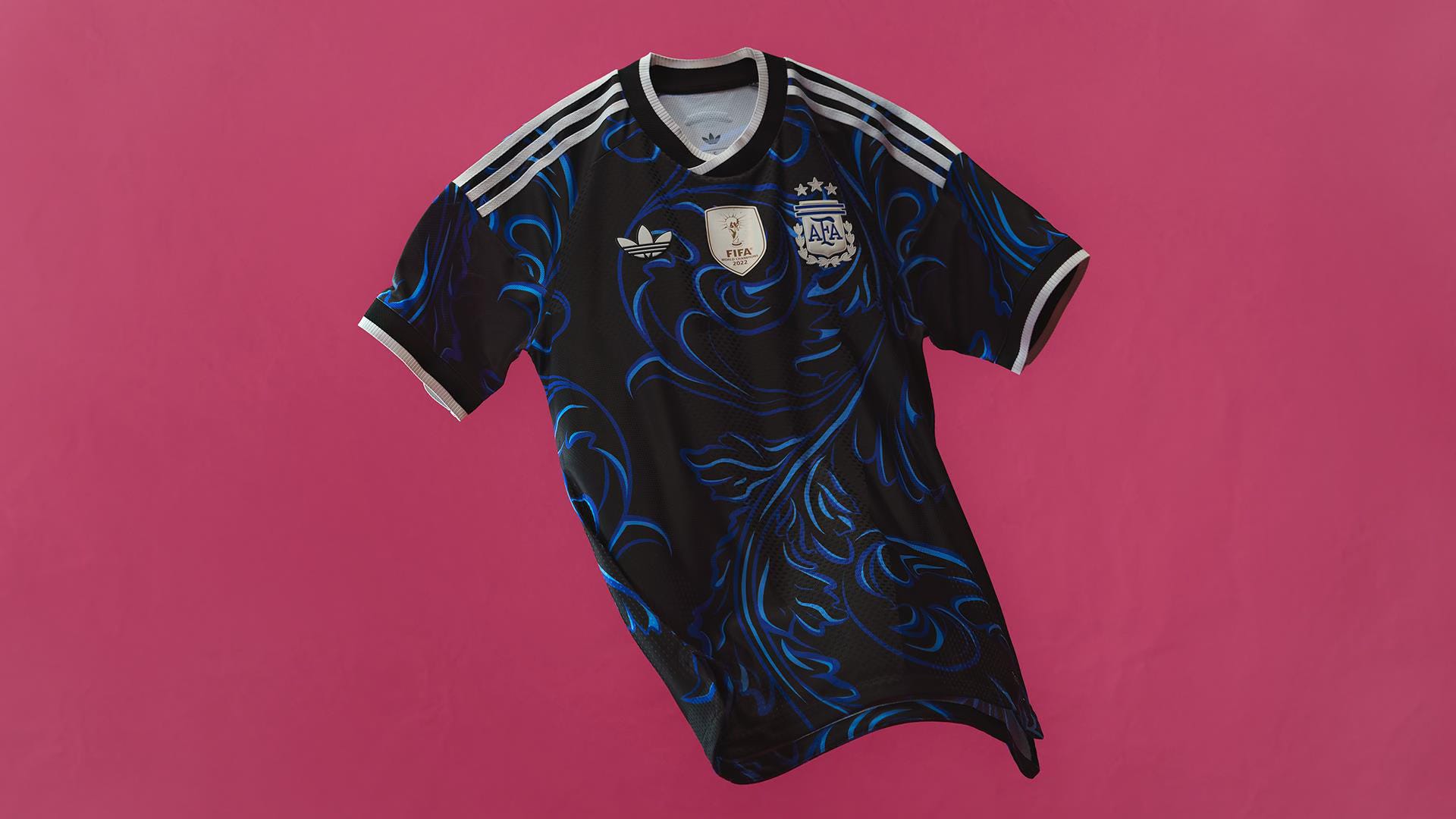
4 years on from their triumph in Qatar, World Cup holders Argentina receive a kit that draws from their rich artistic heritage, featuring a distinct swirling blue graphic pattern inspired by the nation’s traditional motifs.


Spain’s away jersey design taps into the nation’s illustrious literary history. It features an intricate all-over pyrite colour pattern, inspired by the drawings and graphics found in classic books and manuscripts.
As part of the global launch, adidas hosted an immersive event in Los Angeles, bringing together athletes, creators and cultural figures from football, music and street culture. Taking over the Lower Grand Tunnel in Downtown LA, the brand turned a traditional kit launch into a high-energy street party. The night featured a performance from Kaytranada and a headline show from Baby Keem, transforming a usual standstill of cars into a vibrant celebration of culture.
We are certainly set for another summer of the three stripes on people’s feet and football shirts being worn as fashion items. The only question is how does the crossover between streetwear and football culture evolve next.