

Why Physical Media Is More Important Than Ever
Thanks to streaming, we have access to more music and film than ever, but as a result, we are constantly at the mercy of these services.
How many times have you searched for a film on Netflix, the title you’re looking for comes up, only for you to be told, “Sorry, we can’t find what you’re looking for.” So you turn to Prime. They have seemingly everything, until you click on that poster and see “Rent from £3.99.” Even if you get lucky and manage to find what you’re looking for amongst the 10 different streaming apps, you can bet you’ll be seeing those dreaded ad breaks scattered across the timeline at the bottom of your screen.
The point is, we have access to more music and film than ever thanks to streaming, but as a result, we are constantly at the mercy of these services and their tiered subscriptions, disappearing titles, and frequent price hikes.
Our lives are already dominated by algorithms, with streaming often serving as just another opportunity for scrolling, promoting consumption over experience. The arts of film and music come from a deeply human place, so why are we letting algorithms get in the way of that?
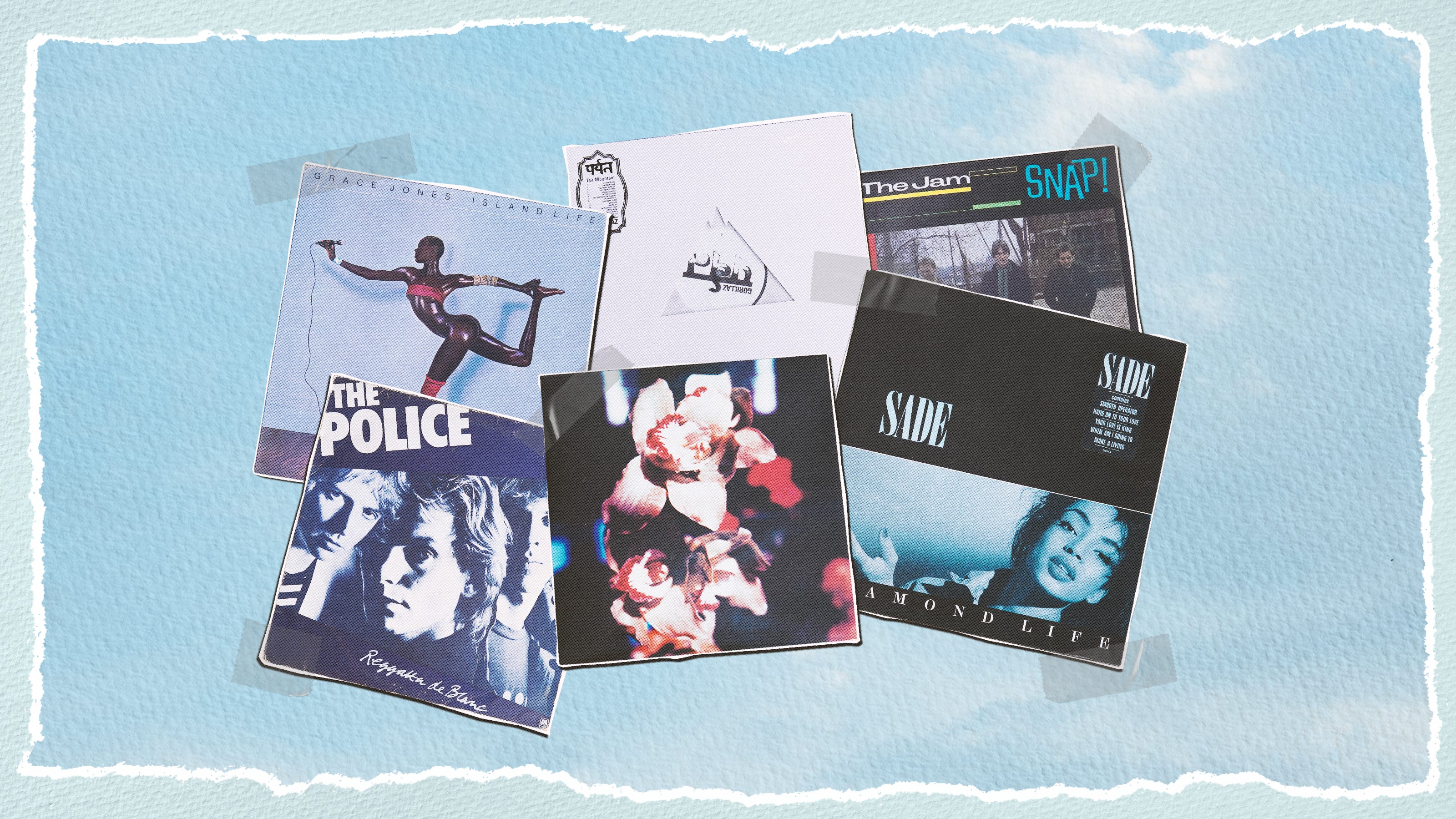
It has been two years since I bought a vinyl player, and just over one since I started building out my DVD collection. What started as just wanting to own and have access to some of my favourites has led to a bit of a revelation about the importance of physical media in our current age.
Physical media offers an experience that is non-existent in the digital world. The ritual of picking up a vinyl record or DVD off the shelf, before placing the needle down or pressing play, is a very tactile and deliberate act. One that forces a more meaningful engagement.
For example, music streaming encourages you to skim through albums, perhaps revisiting a handful of songs from each. Whereas physical alternatives allow you to sit with an album and experience it as a complete body of work, the way the artist intended.
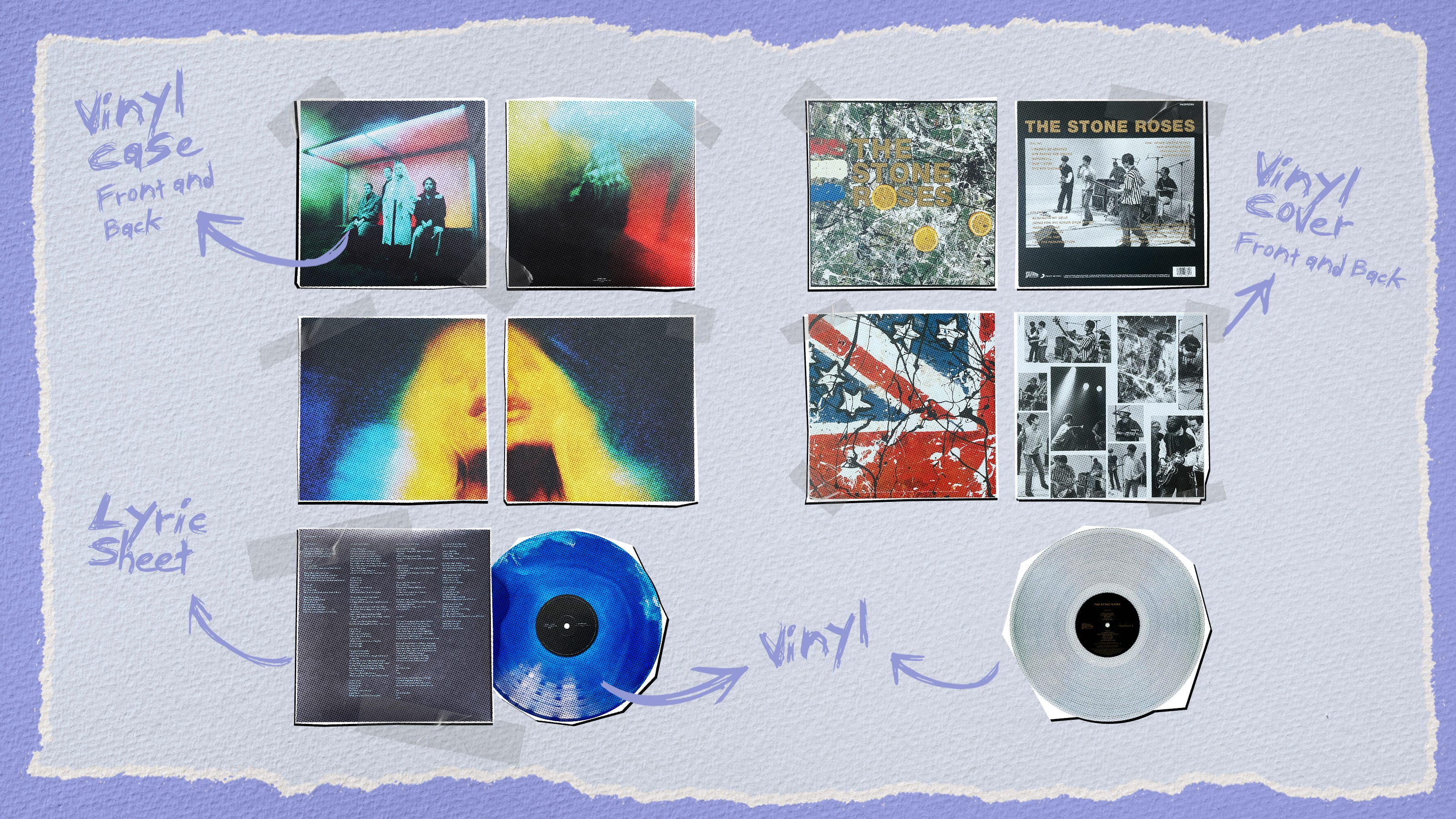
There is also something to be said for the added experience the overall package gives you. Art always accompanies films, on the cover, inside the case and on the back. While the distinct visuals that go with an album are often just as thought-out as the music itself.
Then there’s the extras. The lyric sheets, the posters. Tangible, real things that are impossible to replicate digitally. Physical film releases also have their share of extras, in the form of bonus features on the disc itself. Often including deleted scenes and director’s commentaries, further immersing you in the world of the film even after the credits roll.
There is a commitment that comes inherently with the ritual of physical media, and could be viewed by many as its downfall. For a start, you need the right equipment and to think about storage. Then you have to go out and spend time searching for what you want, all before you can press play, which itself takes effort. So there is certainly potential for a lot of hassle and money spent.
Even then, you’re always going to be limited by what you own, which means every choice will be deliberate and dedicated. So if it’s convenience you’re looking for, streaming is still the go-to, and therefore the best option for most people. However, for me, it’s that very same commitment and effort that makes physical media special, and ultimately lends to the experience itself.
In a society where increasingly no one owns anything, ownership is one of the biggest pros of physical media. The comfort film that you rewatch every few months can and will suddenly disappear from Netflix. However, if you were to purchase a lovely disc of that film, nobody is going to come into your house and take that away from you. That disc is also never going to have minute-long advertisements during a key scene, or start playing something else whilst the credits have barely started.
That one film could then begin to represent a wider collection, built up over time, one that says something about you and your identity. A physical marker of your taste.
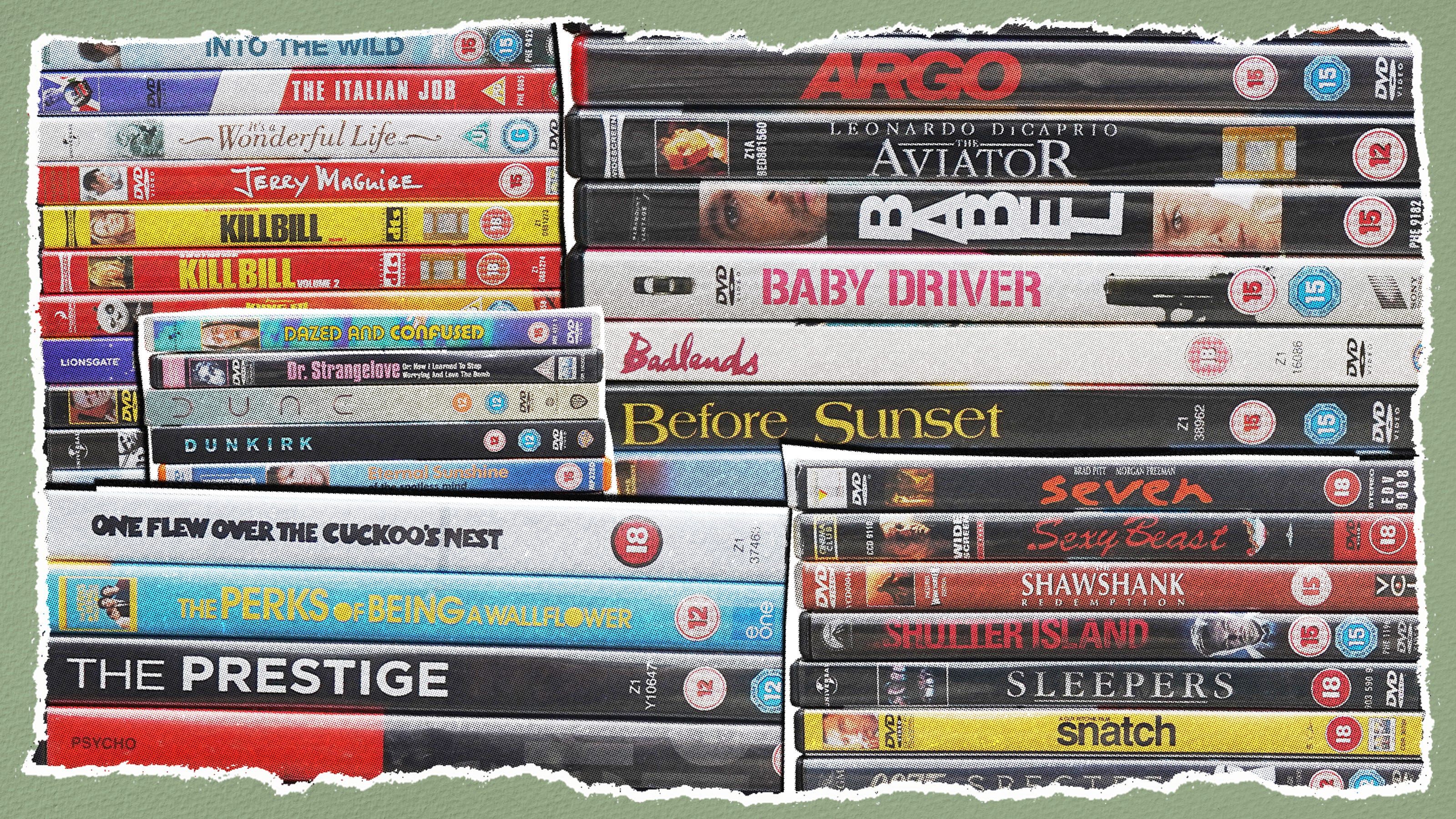
A library of physical media could last a lifetime, and would be an adventure in itself to curate, whether it be digging through crates of vinyl at a record store or looking through the DVD section at a charity shop. Each addition will have its own story, and you will own some of the films and music that you love. I think there’s just something romantic about that.
You can’t put your Spotify numbers up on your wall, but you can fill it with vinyl.
Attention has become the new currency; companies will continue to make decisions based purely on optimising profits, rights will continue to change hands, and our experience of film and music through these services will continue to be impacted.
So, while so much of our lives is completely digital, and our world continues to be dominated by the algorithm, physical media will continue to provide a small fight back against that. Forcing us to slow down, serving as something a bit more meaningful, something that is truly ours.